Las Vegas Real Estate Trends
Is Las Vegas Growing or Dying? Real Estate and Local Trends
- By Donna Bombard
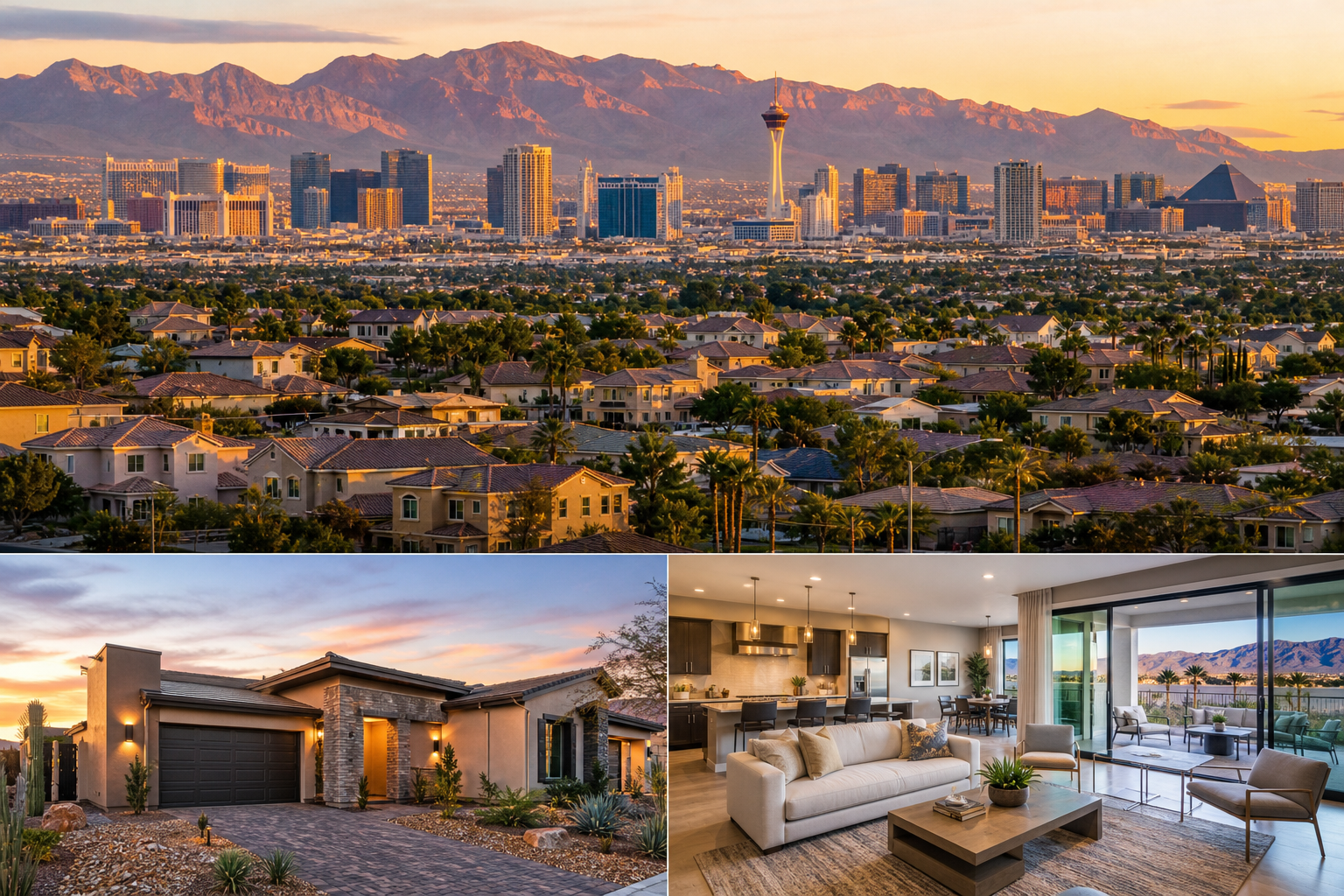
Las Vegas is growing, not dying. The city continues to attract new residents and businesses, with steady real estate demand, especially from buyers relocating from California and other states. Despite some challenges in affordability and fluctuations in tourism, Las Vegas maintains a strong appeal for those seeking opportunity and a vibrant lifestyle.
Key takeaways
- Las Vegas continues to experience population growth, particularly from California.
- Real estate activity remains steady, with consistent demand for homes and rentals.
- Tourism and gaming revenues fluctuate but remain significant drivers of the local economy.
- Affordability concerns exist, but they do not signal an overall decline.
Las Vegas at a Glance: Growth or Decline?
Las Vegas is widely recognized as a city in transition, but the overall trend points to continued growth. Local records and general population trends indicate that the Las Vegas metro area’s population is rising, even as some other markets slow down. The region attracts families, remote workers, and retirees who are seeking a more affordable lifestyle.
The idea that Las Vegas is 'dying' often comes from headlines about casino closures or dips in tourism, especially after major economic events. However, Las Vegas has a long history of resilience, with new construction, expanding suburbs, and a diversifying job market. While hospitality can be volatile, other sectors such as logistics and technology are becoming increasingly important.
In summary, while stories of Las Vegas’s decline appear periodically, the facts show a city that adapts and grows. The continued influx of new residents and an active real estate market are strong indicators of stability and resilience.
What’s Fueling Las Vegas Growth?
Las Vegas’s growth is driven by several key factors. One of the most significant is migration from California and other high-cost states. Many families and professionals choose Las Vegas for its more affordable lifestyle and favorable tax environment. This steady inflow keeps both the housing and rental markets active throughout the year.
Job creation and economic diversification also play major roles. While casinos and resorts remain central, Las Vegas now attracts companies in logistics, healthcare, and technology. New business developments in areas like Summerlin and Henderson are bringing jobs beyond the Strip.
Infrastructure and community development further signal growth. The city invests in new roads, schools, and parks, and large-scale projects such as sports arenas and entertainment venues help keep the region attractive for long-term residents. These developments create construction jobs and support property values across the valley.
Challenges Facing Las Vegas Today
Las Vegas does face real challenges, even as it grows. Tourism, which is a major part of the local economy, can slow during global events or economic downturns. The city has experienced this in the past, but visitor numbers have rebounded, and gaming revenues remain significant.
Affordability is a concern for many residents. Home prices and rents have increased, putting pressure on some locals and newcomers. However, compared to major California cities, Las Vegas still offers relative affordability, which helps sustain demand.
Water and resource management are long-term considerations. Southern Nevada relies on the Colorado River, so drought and conservation efforts are ongoing priorities. Local authorities and developers continue to work on reducing usage and increasing efficiency, making this an important factor for anyone considering a move.
Las Vegas Housing Market: Looking Ahead
Housing experts generally expect Las Vegas to continue seeing demand in the coming years, though perhaps at a more moderate pace than recent surges. Most forecasts suggest steady population growth, which should keep both home sales and rentals active. Buyers can expect competition for well-priced homes, while sellers should see stable interest if properties are positioned correctly.
Key factors influencing these trends include ongoing migration from other states, job creation, and the availability of new construction. National economic conditions and interest rates will affect affordability, but the underlying demand - especially from those relocating for cost or lifestyle reasons - should remain solid.
Public expectations reflect cautious optimism. While rapid price increases may slow, the fundamentals in Las Vegas remain strong. Local expertise will be especially valuable for buyers and sellers navigating this evolving market.
Las Vegas Growth vs. Decline: Quick Comparison
Below is a checklist comparing the main factors of growth and decline in Las Vegas:
| Factor | Growth Signs | Decline Signs |
|---|---|---|
| Population | Net increase, especially from California | Some out-migration due to costs |
| Jobs | Expanding sectors: tech, logistics, healthcare | Slowdowns in hospitality |
| Home Sales | Ongoing demand, active resale/new builds | Affordability pressures for locals |
| Tourism | High gaming/tourism revenue, events rebound | Temporary dips after economic shocks |
| Affordability | Still better than major CA cities | Rising home/rent prices challenge some |
This comparison shows that while Las Vegas faces challenges, the growth signals outweigh the decline risks for most residents and investors.
What Does This Mean for Buyers, Sellers, and Relocators?
Buyers in Las Vegas should be prepared for a competitive market, especially for homes in desirable neighborhoods. Working with an experienced agent who knows the area can help you find good value and act quickly when the right property appears. If you’re relocating from California, see our California to Nevada relocation guide for specific tips.
Sellers can expect continued interest from both local and out-of-state buyers, but pricing your home correctly is essential. Marketing to the right audience and preparing your home for sale can help you stand out. Donna Bombard Real Estate’s experience with out-of-state buyers is especially useful for those looking to sell your Las Vegas home efficiently.
Relocators should consider cost of living, job prospects, and neighborhood amenities. Researching schools, commute times, and local resources is important before making a decision. The market rewards those who are well-prepared and ready to act when opportunities arise.
Local Perspective: Donna Bombard’s Take on Las Vegas
With decades of experience in Las Vegas real estate, Donna Bombard and her family have seen every cycle, from boom to bust and back again. What stands out most is the city’s resilience - each downturn brings change, but new opportunities always follow.
Local knowledge is more valuable than ever. Trends can shift quickly, and understanding which neighborhoods are poised for growth or which developments are coming soon can make a real difference. Donna Bombard Real Estate in Las Vegas, Nevada, has guided thousands of families and investors to smart decisions, drawing on both data and deep community ties.
Las Vegas may face challenges, but the city’s spirit and adaptability keep it moving forward. Whether you are buying, selling, or just considering a move, local expertise provides the honest guidance needed to make the best choice.
Ready to Make Your Move? Talk to Donna
If you want clear, honest advice about buying, selling, or relocating in Las Vegas, reach out to Donna Bombard Real Estate. Our family-run team has helped thousands of clients find success in every kind of market. Contact us today or explore how to buy a home in Las Vegas with local guidance you can trust.
Questions people ask
Why is Las Vegas losing popularity?
Las Vegas sometimes appears less popular due to temporary dips in tourism or headlines about rising costs. However, the city continues to attract new residents and visitors, and its entertainment and gaming industries remain among the strongest in the country.
Why are people moving out of Las Vegas?
Some residents leave Las Vegas because of affordability concerns, job changes, or a desire for different climates. However, the city still has net population growth, largely driven by newcomers from higher-cost states like California.
Are homes in Las Vegas going down in value?
Home prices in Las Vegas have experienced fluctuations, but overall values remain strong due to steady demand. While the market can cool or heat up, long-term trends show stability rather than a broad decline.
What is the downfall of living in Las Vegas?
Some challenges of living in Las Vegas include rising home prices, hot and dry weather, and concerns about water supply. However, many residents find the lifestyle, job opportunities, and relative affordability outweigh these drawbacks.
Is Las Vegas still a good place to invest in real estate?
Las Vegas remains a popular market for real estate investment because of ongoing population growth, high rental demand, and a diverse local economy. Investors should research neighborhoods and trends carefully for the best results.
How is the job market in Las Vegas?
The Las Vegas job market is growing, with expansion in sectors like healthcare, logistics, and technology, alongside the traditional hospitality industry. Opportunities are broadening, especially as the city diversifies beyond tourism.
What are the biggest risks for Las Vegas home buyers?
The main risks for home buyers in Las Vegas include potential affordability challenges, rapid market shifts, and long-term water resource concerns. Working with a local expert can help buyers find the right property and avoid common pitfalls.