Las Vegas Real Estate Market
Are Home Prices Dropping in Las Vegas? Local Market Insights
Updated
- By Donna Bombard
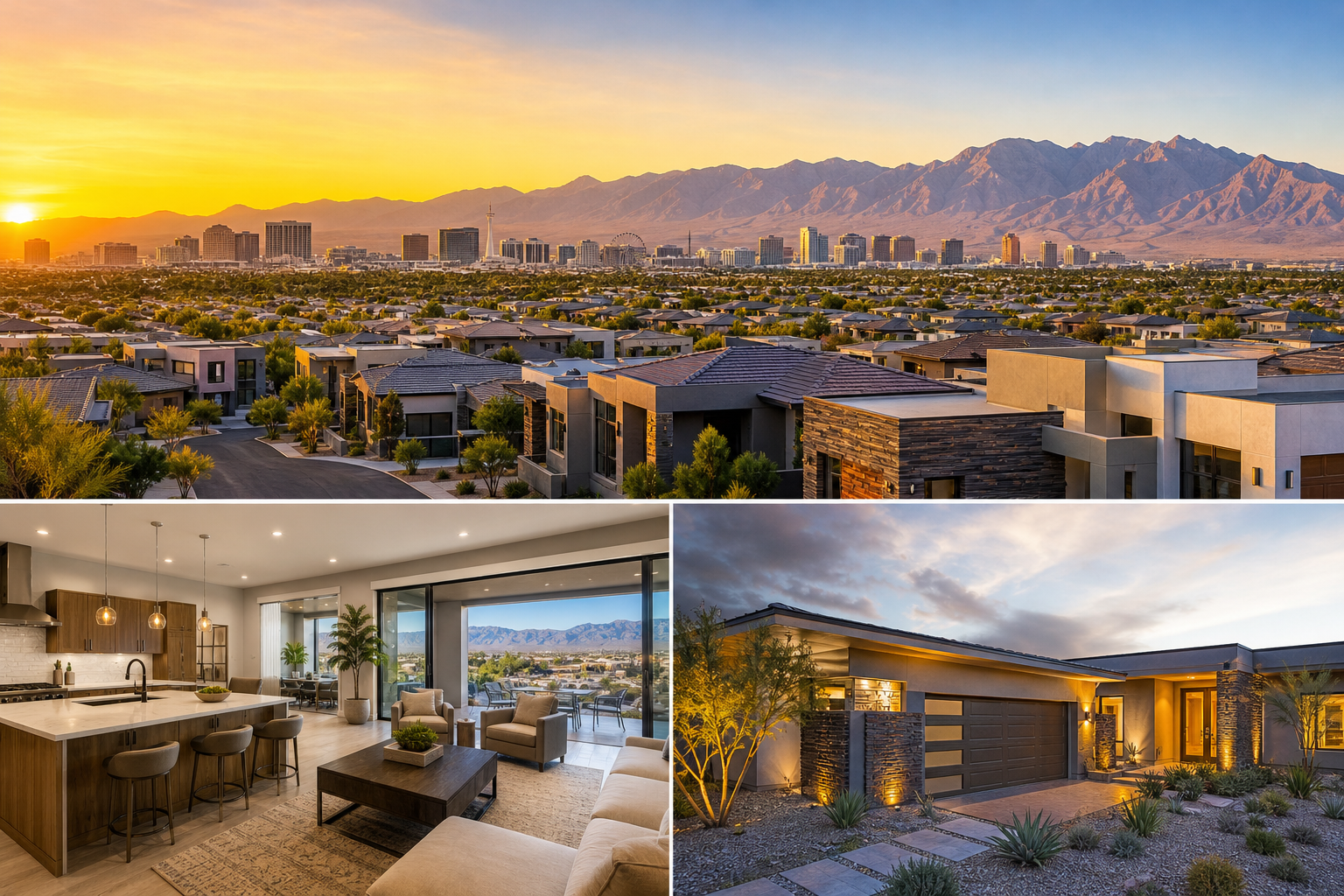
Las Vegas home prices are mostly stable, with only minor declines in some neighborhoods and steady values in others. The market is not experiencing dramatic drops, but subtle shifts are present, so both buyers and sellers should pay close attention to local trends. For the most accurate guidance, consulting a local real estate expert is essential.
Key takeaways
- The Las Vegas market is generally stable, with some small price drops in select areas.
- National headlines may not reflect what’s really happening in specific neighborhoods.
- Local factors such as inventory and relocation trends have a strong impact.
- Timing your move depends on your goals and the latest local data.
- Expert, family-run guidance helps you make sense of changing conditions.
Are Home Prices Dropping in Las Vegas? Quick Overview
Home prices in Las Vegas are currently stable, with only minor declines in some areas rather than widespread drops. The market has cooled from the rapid increases of previous years, but most neighborhoods are either holding steady or experiencing small, gradual adjustments. This means that while some buyers may notice slightly better deals, sellers are not seeing steep losses.
It's important to remember that headlines about falling home prices often refer to national averages or dramatic outliers. The reality in Las Vegas is more nuanced, with many neighborhoods showing resilience and steady demand. Local factors, such as inventory and specific neighborhood demand, play a much larger role than national trends.
For example, while a neighborhood in central Las Vegas might see a modest decrease in asking prices, others such as Summerlin or Henderson may remain relatively unchanged. The market's overall stability is a sign of healthy long-term fundamentals, not a dramatic downturn.
If you want a closer look at how prices have behaved over time, the Las Vegas median home price guide can help you understand broader trends without relying on sensational headlines.
What’s Driving the Las Vegas Real Estate Market Right Now?
The current Las Vegas real estate market is shaped by a mix of local supply, buyer demand, and broader economic factors. Inventory, or the number of homes available for sale, remains a key influence. When inventory is low, prices tend to hold steady or rise; when more homes come on the market, buyers may have more negotiating power and prices can soften.
Interest rates also affect affordability, which in turn influences how many people can buy. Even small changes in rates can shift how many homes buyers can afford, impacting demand across the valley.
A major factor unique to Las Vegas is the ongoing California to Nevada relocation trend. Many families and professionals from California are still moving to Las Vegas, increasing demand for homes. This influx supports prices, especially in neighborhoods popular with out-of-state buyers.
The local economy and job growth play a critical role as well. Las Vegas benefits from a steady flow of hospitality, tech, and service jobs, which helps maintain a base of buyers and renters. When the job market is healthy, more people are able to buy, and property values tend to remain stable.
All these factors mean that Las Vegas doesn’t always follow national trends. Understanding the local market requires attention to what’s happening in your specific area, not just the broader headlines.
Is the Las Vegas Market Cooling? Signs to Watch
A cooling market means that price growth is slowing, homes take longer to sell, and buyers gain more negotiating power. Las Vegas is showing some signs of cooling, but the changes are moderate rather than dramatic.
In recent months, buyer activity has slowed slightly compared to the peak years. Homes may stay on the market a bit longer, and sellers might make small price adjustments to attract buyers. However, this isn’t the same as a sharp decline. Instead, it’s a sign of the market returning to a more balanced state after a period of rapid growth.
It’s crucial to distinguish between a true market change and normal seasonal shifts. For example, fewer homes tend to sell during the winter months, which is typical every year. A genuine cooling trend is more about consistent patterns: more listings, slightly lower offers, and buyers having more choices.
If you’re seeing price reductions or longer days on market in your neighborhood, it could indicate a mild cooling. However, these trends can vary significantly between areas like Summerlin, Henderson, or Centennial Hills. That’s why local expertise is essential to understand which changes are seasonal and which reflect a real adjustment.
Should You Wait to Buy or Sell in Las Vegas?
Deciding whether to wait or act now in the Las Vegas market depends on your goals, financial situation, and the latest local trends. Both buyers and sellers face unique pros and cons.
For buyers, waiting could mean hoping for lower prices or more inventory. However, if prices remain stable or interest rates rise, waiting could make homes less affordable in the future. Acting now might give you access to a broader selection and more negotiating power as the market cools slightly, but it’s crucial to assess your readiness and budget.
Sellers often wonder if holding off will bring better offers later. If the market continues to stabilize, waiting may not translate to higher prices. In fact, more competition from other sellers could make it harder to stand out. Pricing your home appropriately and preparing it for sale now can help attract serious buyers, especially if your neighborhood remains in demand.
The best approach is to focus on your own needs and consult a local expert who can provide a tailored market analysis. For a detailed look at how recent trends might affect your plans, check the Las Vegas Realtor expert tips.
Las Vegas Home Price Trends: Comparison Table
Here’s a table comparing general trends for Las Vegas home prices last year, this year, and the usual seasonal changes. This can help you see where the market stands locally and how it compares to nationwide patterns.
| Time Period | Las Vegas Trend | Typical Seasonal Change | National Trend |
|---|---|---|---|
| Last Year | Steady to mild growth | Prices often rise in spring, slow in winter | Modest national growth |
| This Year | Stable, some slight declines | Some areas see small dips in fall/winter | Slowing or stable |
| Spring/Summer | Increased activity, steady prices | Higher activity, small price bumps | Similar pattern |
| Fall/Winter | Fewer sales, minor adjustments | Lower activity, possible small price drops | Often similar |
Overall, Las Vegas tends to be more resilient than some other markets, thanks in part to steady relocation demand and a strong local economy.
Expert Tips for Navigating the Current Market
Making smart decisions in today’s Las Vegas market means staying informed and relying on local expertise. To get started, research your specific neighborhood, not just citywide averages, since trends can vary block by block. Buyers should get pre-approved for financing and set a clear budget, which puts you in a stronger negotiating position. Sellers should focus on realistic pricing and making the home show-ready, since small improvements can attract motivated buyers. Watch for local factors such as new construction or major employers moving in or out, as these can affect demand. Don’t rely solely on national headlines; ask a local agent for a customized market analysis to understand your options. If you’re relocating from another state, work with someone who understands both your current market and Las Vegas trends. The California to Nevada relocation guide is a good starting point.
These steps can help you avoid common mistakes and take advantage of the best opportunities available.
How Donna Bombard Real Estate Can Help
Donna Bombard Real Estate in Las Vegas, Nevada, is a family-owned firm with decades of experience helping buyers, sellers, and those relocating from out of state. Since 1971, the firm has sold and managed thousands of homes across the valley, including areas like Summerlin, Henderson, and North Las Vegas.
For buyers, Donna Bombard Real Estate offers guidance on finding the right property, negotiating offers, and understanding local trends. Sellers benefit from expert pricing strategies, marketing, and advice on preparing homes for sale. If you’re planning a move from California or another state, the team can provide insights on neighborhoods, schools, and the entire relocation process.
A personalized market analysis is always available. This report helps you see what’s happening in your neighborhood right now, so you can make decisions based on real data, not just headlines. For more on how to buy a home in Las Vegas, or to request a personalized analysis, reach out directly.
Ready for Clarity? Talk to Donna
If you want to know what’s really happening with home prices in your neighborhood, Donna Bombard Real Estate is here to help. Our family-run team has the local insight and decades of experience to guide you, whether you’re buying, selling, or just curious. Talk to Donna today to get honest answers and a market analysis tailored to your needs. You can also learn more about how to buy a home in Las Vegas with expert support.
Questions people ask
Are home prices actually dropping in Las Vegas or just slowing down?
Prices in Las Vegas are generally stable, with some areas experiencing small declines rather than widespread drops. Most of the market is showing signs of slowing growth rather than a dramatic fall, so both buyers and sellers should look at specific local trends.
Is now a bad time to buy a home in Las Vegas?
Now is not necessarily a bad time to buy, as the market is more balanced and buyers may have more options. However, affordability and your personal situation matter most, so it’s wise to get local advice before making a decision.
What causes home prices to fluctuate in Las Vegas?
Home prices in Las Vegas are affected by factors like inventory, local demand, interest rates, and economic growth. Relocation from other states, especially California, also influences how much homes sell for in different neighborhoods.
How does the Las Vegas market compare to other cities?
Las Vegas tends to be more resilient than many markets due to ongoing relocation demand and a strong local economy. While some national trends influence the city, local factors often play a bigger role in how prices change.
Should I wait for prices to fall more before selling?
Waiting for major price drops can be risky, as the market is currently stable and not trending toward steep declines. Selling now with the right strategy may help you attract motivated buyers, especially if your area is still in demand.
How can I get a local market analysis for my home?
A personalized market analysis is available from Donna Bombard Real Estate. This report provides up-to-date insights on your neighborhood and helps you decide the best timing and pricing for your goals.
What are the risks of waiting to buy or sell?
Waiting could mean missing out on current opportunities if prices or interest rates change. The market may remain stable, but shifts in inventory or economic conditions can affect your buying power or the value of your home.